Astaxanthin is widely used in aquaculture mainly because of its three key properties: Anti-oxidization, immune boosting, and coloring.
Firstly, anti-oxidization inside the body is crucial for the breeding of fish and shrimps as well as other aquatic animals. Fish and shrimps often undergo oxidative reactions inside their bodies due to various external stimuli, causing damage and disease to the body. Astaxanthin has strong anti-oxidization properties, which can reduce cells’ membrane permeability, prevent peroxide promoters from entering the cell, and protect important molecules inside the cell from oxidative damage. In this way, the bred fish and shrimps can be protected from various oxidative stimuli and damage;
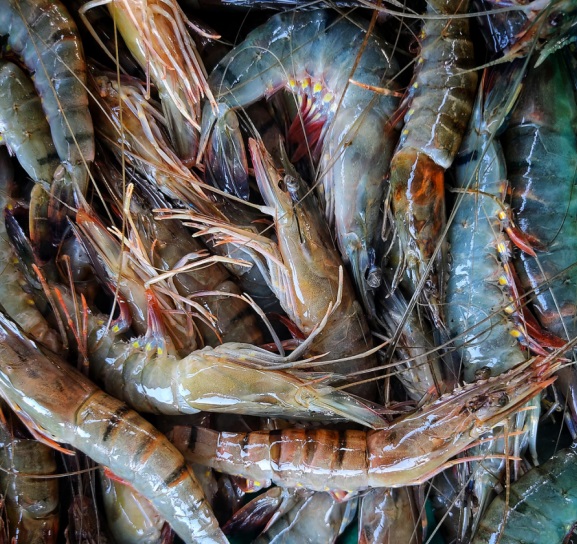
Secondly, Astaxanthin can enhance the function of T cells in the body, increase the number of neutrophils and natural killer cells, and improve the body’s immunity. Astaxanthin can also enhance the vitality of immune B cells, eliminate invading pathogens, and exert its effect by assisting in the production of antibodies and enhancing the activity of other immune molecules. Once shrimps are captured off the breeding waterbody, a spray on them by a ppm level concentration of astaxanthin can help them survive for longer time. Meanwhile, the shrimp meat can stay fresh for a reliable longer time as the protein decomposes slows by means of such spraying.
On the part of pigmentation, for aquatic animals, Carotenoids are the main coloring substances, a majority of which is astaxanthin. Once ingested, astaxanthin can be directly stored in tissues without modification or biotransformation. The strong pigment precipitation effect that astaxanthin brings can generate healthy and bright colors in the skin and muscles of some aquatic animals, especially shrimp, salmon, and ornamental fish.